- 0 views
- By Caroline McNally
The Hidden Toll: How Floods and Extreme Weather Undermine Utility Poles
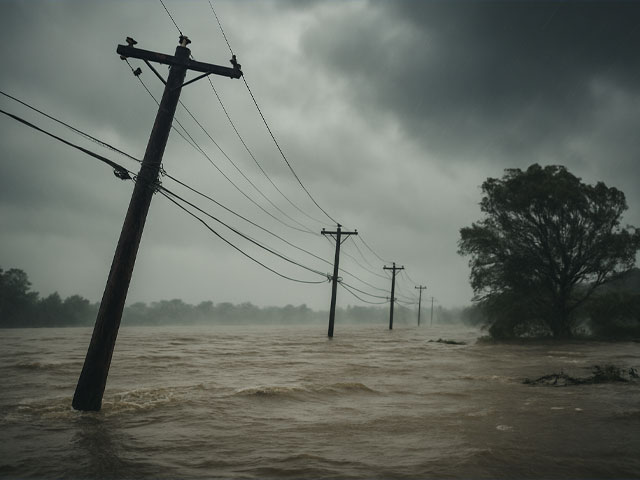
Utility poles—steadfast sentinels of our electrical, telecom, and cable networks—often endure the elements with little attention. Yet when storms, floods, or other hazards strike, these structures can be among the earliest and most visible casualties of disaster. Flood damage to utility poles carries consequences far beyond a fallen power line.
Undermined Foundations and Risk of Collapse
Floodwaters can erode soil around utility poles, compromising their base and overall stability. When the ground softens or washes away, poles that once stood firm begin to tilt or topple, posing a serious safety hazard and disrupting service. Beyond immediate physical damage, such erosion complicates restoration efforts and can lead to prolonged outages.
Flooding of Substations and Corrosion Risks
Water intrusion can do more than erode—it can corrode. Substations, transformers, and connected distribution poles exposed to floodwaters may short-circuit or suffer long-term component damage. Corrosion accelerates their deterioration, making future failures more likely and contributing to extended repair timelines.
Severe Weather: The Multifaceted Threat
Floods seldom act alone. They are frequently accompanied by high winds, falling trees, ice, and lightning—all of which exert immense stress on poles:
- Wind and debris: Gusts and flying branches can snap cables or knock poles down entirely.
- Ice and snow: Accumulating weight on power lines can cause sagging or breakage, especially in wooden poles.
- Vegetation: Falling trees or limbs are a primary cause of pole damage during storms. One utility reported that over 90% of its outages during Hurricane Sandy were tree-related.
Aging Assets and Infrastructure Vulnerability
Utility poles are not indestructible. Most wooden poles have a lifespan of 25–50 years, after which rot, decay, insect damage, and moisture at ground level compromise their structural integrity. In some cases, “double poles” occur—when an old pole remains next to its replacement—adding instability and confusion during extreme events.
The Human Cost: Disruption to Lives and Safety
When poles fail, the consequences ripple beyond flickering lights. Flood-induced outages can affect emergency systems, communication networks, and day-to-day life:
- Power loss compromises sirens, alert systems, and critical infrastructure during emergencies.
- Extended outages leave communities vulnerable, as seen in Telangana, India, where floods damaged over 1,300 poles and nearly 300 transformers—forcing linemen to swim across streams just to make repairs.
- Similar scenes unfold globally—from landslide-stricken towns in Australia to hurricane-ravaged regions—highlighting the human struggle and resilience required to restore service.
Toward Resilience: Smart Strategies for Utility Integrity
Utilities aren’t powerless—many are investing in resilience through proactive and reactive measures:
- Vegetation management: Regular tree trimming and right-of-way maintenance help prevent storm-related pole damage.
- Asset management systems: Keeping current inventories and maintenance histories enables faster response and repair prioritization.
- Storm hardening & material upgrades: Transition toward stronger pole materials like concrete, steel, or composite—especially in high-risk zones—is gaining momentum. Coastal poles, for example, are now being designed to withstand winds up to 145 mph.
- Composite poles: Combining materials like fiberglass and steel, these poles offer higher durability and flexibility—surviving hurricanes, ice storms, and wildfires unscathed in several documented cases.
- Strategic replacement: Conducting per-pole structural assessments helps utilities prioritize upgrades or removals, reducing reliance on aging or compromised wood poles.
Conclusion
Floods and severe weather test the resilience of utility poles—and the communities that rely on them. The damage extends far beyond disruption, striking at public safety, emergency response, and daily life. But through smart maintenance, upgraded materials, and strategic planning, utilities can reduce risks and accelerate restoration. As climate threats intensify, resilience isn’t optional—it’s essential.


Related articles and news
 Utility Workers
 Powering the Future: Scholarships and Career Paths in the Energy Sector
The energy sector is undergoing one of the most dynamic transformations in decades. As regions like New York and Massachusetts push toward cleaner, mo …
Read more Utilities Technology
 Utilities Tech to Watch in 2026: How 3D Intelligence and Advanced Analytics Are Re-Shaping the Grid
The utilities industry is heading into 2026 with a rare combination of pressure and opportunity. Rising electricity demand from electrified transporta …
Read more